

The Emperor Falls, and Kingdoms Rise
What Happened to the Heart? Part I: Spirit Clarity and the Return of Sovereignty

“What happened to the heart?” is the titular question of Aurora’s latest album which was released exactly a year ago. In creating this album, the singer/musician documented every thought that came to her in trying to answer the thematic question. She states:
I found myself in a dark place, and as I looked out at the world it seemed to find itself in an even darker place than I.
So I searched for light in the only place I know: music.
Although I’m no musician, I relate to this so much.
In my practice, there are different ways to work with the heart. There are meridians, acupuncture points, the space between the 5th and 8th thoracic vertebrae that responds with tension, tenderness, or deep sighs when touched. The heart leaves subtle and clear messages in the body, ones I’m seeking to unearth with my hands and questions. So I ask about their sleep. The Shen, which is the spirit in our eyes, is rooted in the heart, and reflects in the nature of our sleep. Does a person have trouble falling asleep? Do they awake a lot with dreams? If so, I will look at what the heart governs: the blood. Is the person irritable? Tired? Have headaches? There might be blood stagnation due to a lack of circulation, shoulder pain, cramps, anxiety.
I return most to the Shen. As an East Asian Medicine practitioner, I get cases that are an even mix of physical and psychological symptoms, so I need to find the language (or colleagues) to address both. Not all organs or meridians respond the same, some are shy and like to hide, others are rather brusque. But the heart is always different, it always has its own language, or a lack thereof. When the heart of a person speaks, their spirit listens. The spirit wants to always be entertained and spoken to, but not necessarily directly. It can seem bored, asleep, reluctant — or awake and receptive. Most of the times, there’s a lot on its mind (in Chinese, the heart is the mind), often too much.
I ask my heart:
Does it appear like the person knows themselves, knows how to respond authentically to the truth that presents itself around them, knows how to reflect that truth clearly?
Not all of these questions make it out in spoken words. Sometimes, they are just a minute pondering that swirls through my mind, not always in that order at all, or anyhow. And sometimes, I quietly ask:
What happened to their heart?
The Heart Treasures the Spirit
In terms of East Asian Medicine, the heart houses the spirit, governs the blood and is associated with the element of fire — the height of bloom and passion that poses the capacity to shine, and the danger to blaze away in elation.
When the heart speaks, it often does so in behalf of others. It is its nature to be affected and concerned, and it feels a great deal of responsibility. In Chinese organ theory, each of the Five Zang (the five Yin organs) treasures a different aspect of our being.
The heart treasures (cang 藏) the spirit (shen 神)
The lung treasures the Qi (qi 氣)
The liver treasures the blood (xue ⾎)
The spleen treasures the Flesh (rou ⾁)
The kidneys treasure the will (zhi 志)
and this achieves the body form.
The mind wants to know, the heart already knows. If both are part of the same heart-mind complex, spirit is what links them. Thus, the heart treasures the spirit.
One (1): Why are our hearts so full?
… And what exactly is the purpose of an empty heart?
How can a person know Tao? By the Heart.
How can the Heart know? By emptiness, the pure attention that unifies being and quietude.
The Heart is never without treasure, yet it is called empty...
The Heart is alive and it possesses knowledge, it knows, and from knowing makes distinctions. To make distinctions is to know all parts of the whole at once. Within the Chinese sphere of observation in nature, there is no distinction between the physiological and the spiritual body of anything — this includes our organs, amongst them, the “sovereign centre”: our heart.
There is no expression that denies that the heart that pumps blood through the body is also the heart that knows, connects, or aches. But the heart, in a way, also seems strangely “outdated” and is collectively associated with romanticised aspects of life, with Shakespeare, poetry, and love songs. “Spirit”, “consciousness” or “vision”, are also not really seen as sprung from the heart. So while linguistically, we still refer to the heart a lot, the heart is understood as an “emoting” organ, one that does not allow for rational views or impartial stances, one that is swayed by passion.
Big acts of consciousness, on the other hand, are seen as “brain activity” in our modern world.
The character for heart (xīn 心) alludes to the heart as a hollow space and organ, accompanied by three fiery sparks or blood drops that signify motion. In this meeting of hollow space and spark, all acts of perception are enveloped: feeling is thinking, seeing is reflecting. Vision arises from the reflection on the lake. This is why it must be kept clear: this is the purpose of an empty heart.
In my practise, I will ask for the image of the 61st hexagram to clear the heart. As a visualisation, I call for a soft breeze to clear the surface of my lake. In essence, I’m asking for circulation, for a process of dredging and draining. In actuality, I’m asking for help from the liver meridian. The liver dredges, drains, purifies the blood and removes excess heat. The liver is connected to dynamicism, growth, and wind. The softness of wind clears the day, so that the spirit can quietly rise.
Two (2): Spirit Clarity
心者,君主之官也,神明出焉。(xīn zhě, jūnzhǔ zhī guān yě, shénmíng chū yān)

The heart is the sovereign organ, from which spirit clarity arises. “Spirit Clarity” is a direct translation from the Chinese Classic Huangdi Neijing - The Yellow Emperor's Inner Canon. 神 (shén) is also the same character for the Japanese shin (as in Shinto) by the way, and is often translated as “gods”. While gods are often seen as personas or materialised expressions of immaterial instances (for instance, the goddess of compassion/victory/war), spirit functions almost the other way around. It relates to the innate, immaterial, and essential part of any living thing (for instance, the spirit of a river).
As noted above, in the most general sense, the term spirit refers to the intelligence of existence. This is an intelligence that is in all living things. In plants, for example, it is seen in their ability to respond to changes in the seasons and, on a daily basis, to turn toward the sun (heliotropism).4
If this spirit/intelligence is immaterial, we must recognise this spirit with something else than our eyes, and we do: spirit recognises spirit the same way that heart connects to heart.
It is remarkable how early on the Chinese viewed the heart as enabling the sort of intelligence that allows us to respond to our environment. I’ve mentioned in my articles before how the heart is likened to a pond within us that either reflects our perceptions clearly (vision), or shows a distorted image because our spirit is upset (obsession).
The key takeaway I believe we really ought to own again after centuries of pressure from the church and imperial rule where spirituality and soul were matters of religious authority, is— we all have it. This is what sovereignty means, and this is how sovereignty is tied to the heart.
Spirit clarity can also be translated as spirit “brightness” (明 míng). The heart and the Shen belong to the element of fire, not out of a conceptional sense, but because the heart regulates the different fires of the human body.
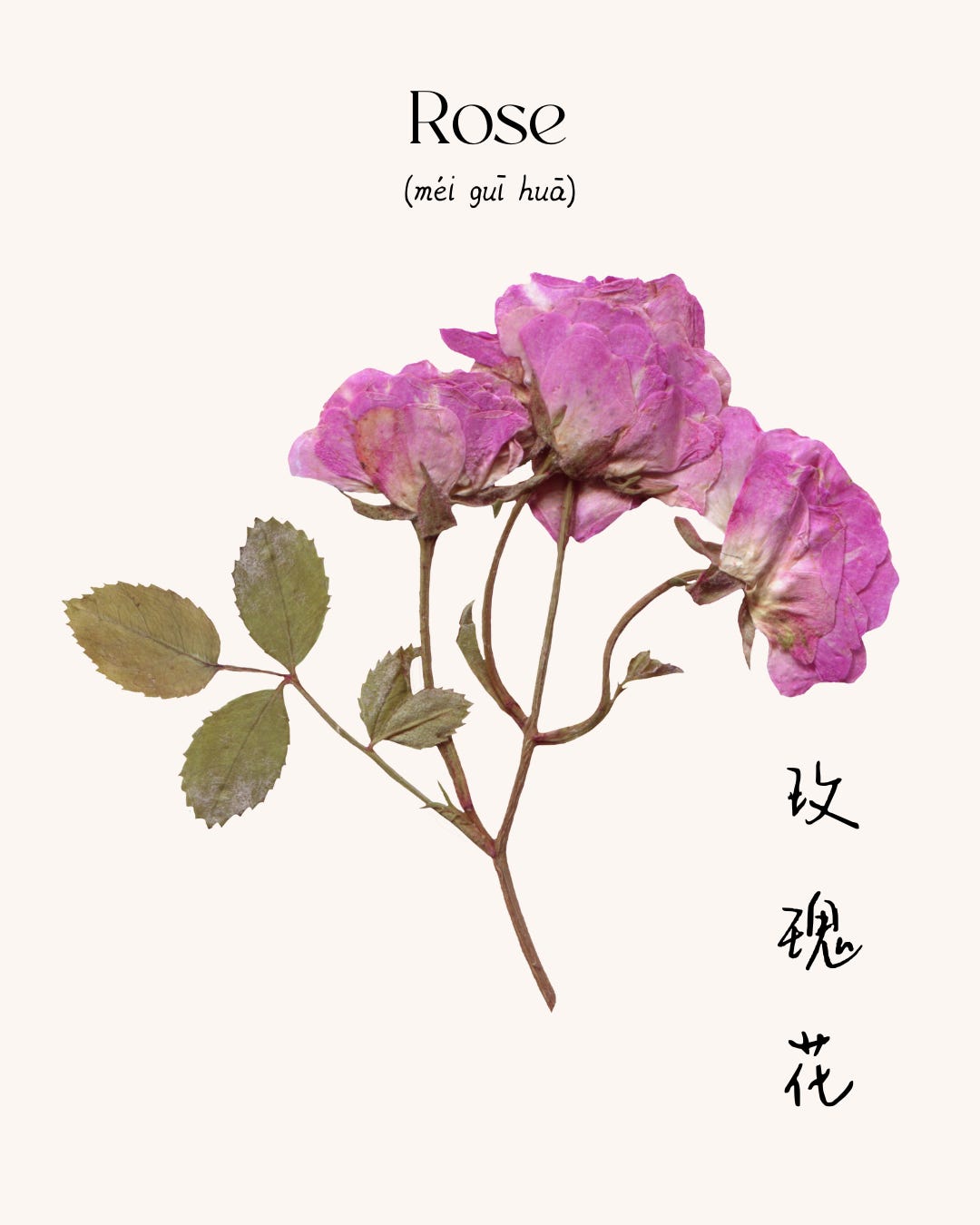
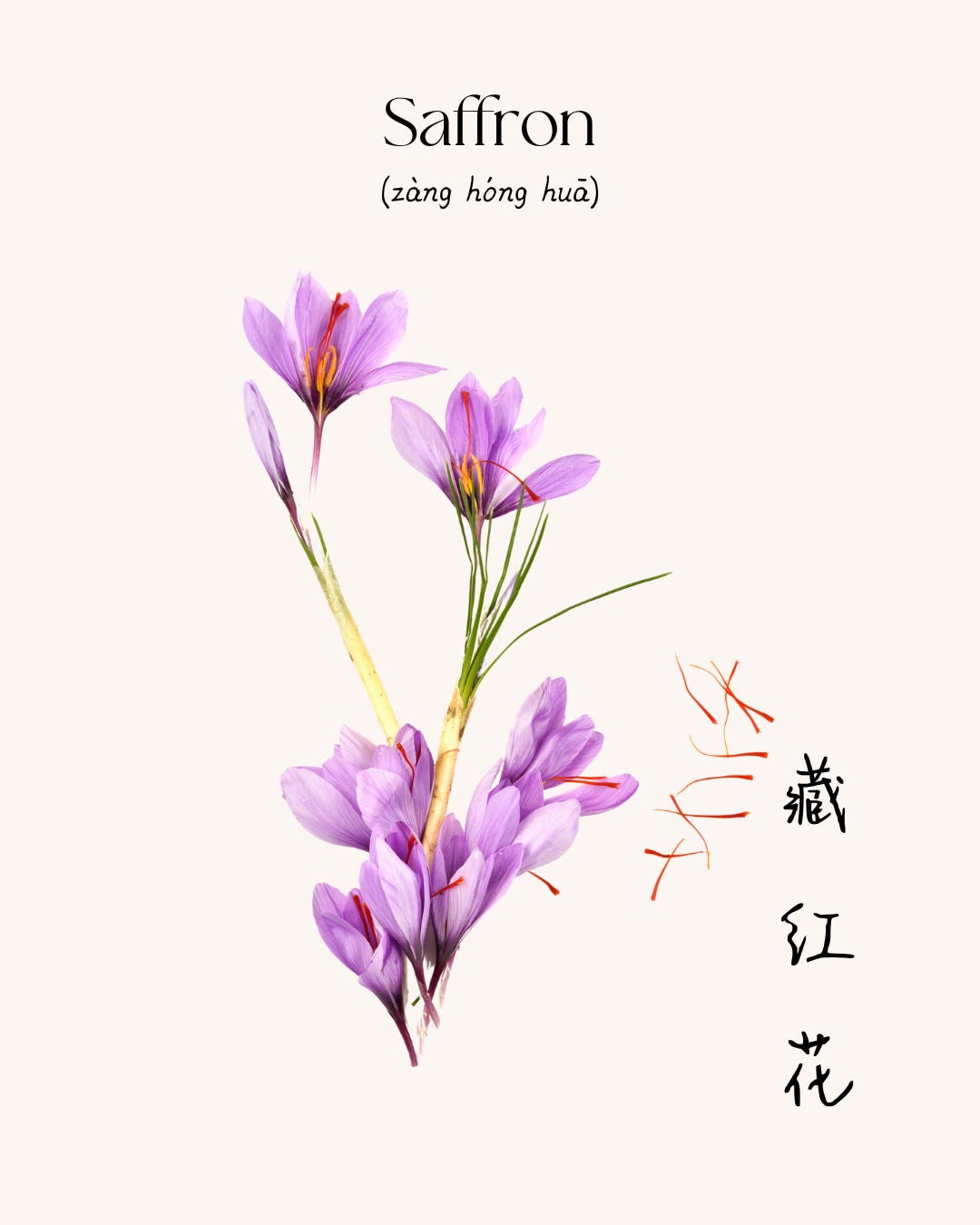
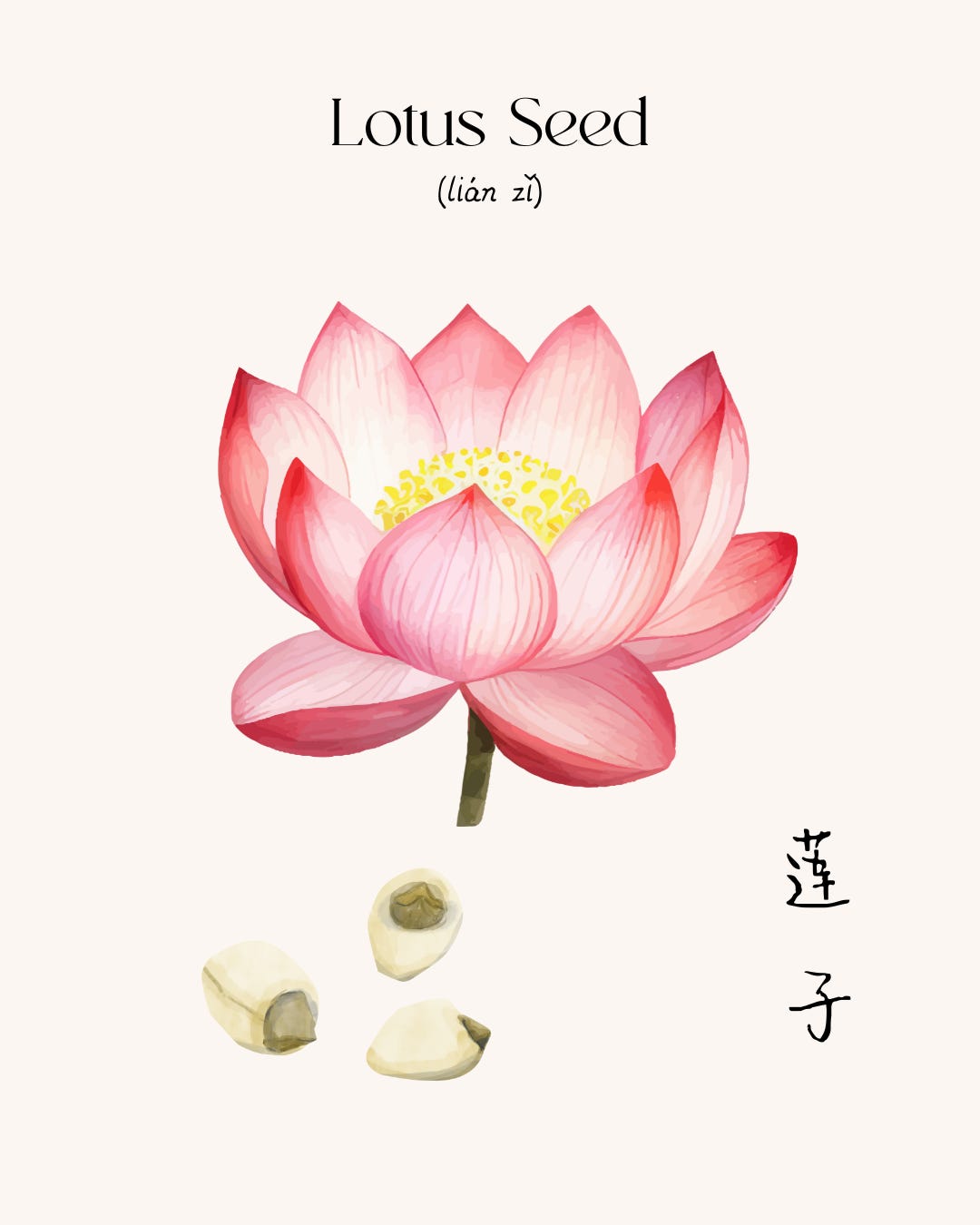
To invite Spirit Clarity, ask for the act of ignition. We can sense what we feel ignited by often before we can process that we do. What ignites us is usually an expression of response to an outer stimulus: we are ignited by people, touch, by vision, community, and smell. Throughout this piece, I’ve scattered three medical flower herbs that provide the most powerful and igniting scents. These have proven as doorways to wake the Shen for a lot of people, but you can also explore on your own and ask:
Which scent ignites me?
Three (3): The Sovereign Self
Personal sovereignty is the condition of healthy boundaries in all your relationships while keeping your connection to the one spirit, the Spirit of Aloha in all. This forms a container for you to ‘operate in the world, yet not of the world.’ Once we claim sobriety of our sovereignty, we can move through life with a compassionate disengagement from the intense drama, bringing light into it. It continues to stun me how little we have really questioned the roots of modern thought: our reductionist, materialistic view of bodies in the West is, in large parts, the result of church authority and the mind/body split movement (Cartesian dualism) following the French philosopher René Descartes. In the European 16th and 17th century, physicians were only allowed to take into account the physical “matter” of body, because everything that related to “soul” (psyche) was strictly reserved for religious practitioners or organs of the (Protestant) church to treat.6
Of course this is absolute bonkers7, but it explains the shyness or internalised shame, guilt, inadequacy, or sheer awkwardness I often witness when we speak about “spirit” as normal people. We don’t want to sound religious in any way.
But shouldn’t we attempt to get comfortable again speaking about spirit, intelligence, and immaterial forces without a religious context? It’s not religion that is meant here, not even spirituality in a broad sense… it’s the individual human capacity to transform by skill, which is an embodied form of existing, highly practical, and: in demand (because, forgive my boldness: the world needs it).
In Chinese philosophy, as well as in Hawaiian native thought, the sovereign self encapsulates our sovereign spirit — we all possess a heart, hence, we are all capable of reflection, vision, and 神明 - spirit clarity.
“The purpose of sovereignty is to bring your body conveyance to get from there, the head — to here, the heart”, Harry once explained. Sovereignty is how the healthy heart expresses itself, driven and nurtured by the certainty of our service.
In the Hawaiian tradition of healing, there is a skill set that helps us align our sovereignty as we live life, similar to how reflection is practised not by copying what others think, but by applying our nature to inquiry.
To apply sovereignty, we can ask where we feel certainty in our service — this might be music as much as anything else I can’t make up right now: knitting little sweaters for penguins affected by oil spills, for instance8 .
Four (4): Heart Skills
恻隐之心,仁之端也;羞恶之心,义之端也;辞让之心,礼之端也;是非之心,智之端也.

The heart of compassion is the sprout of benevolence (仁), the heart of shame and hatred is the sprout of righteousness (义), the heart of courtesy is the sprout of ritual (礼), the heart of discernment is the sprout of wisdom (智).

Mengzi (Mencius)Am I the only one who feels seen, on a zeitgeist level, reading this?
Mengzi lived during the so-called period of the Warring States, a period dominated by military power and plotting rulers that must have proven a stark contrast to the idealistic concepts of “heavenly rule” that circulated the more peaceful times of Confucius.
Out of this need to evaluate the nature of rule, war, and the purpose of humans themselves, the Warring States (475-221 BCE) are also known for sprouting many schools of thought and facilitating vibrant dialogues between these schools and their representative individuals. Isn’t it compelling that a chaotic, destructive time as this also provided fertile soil for spiritual development and true discourse?
In this sphere, Mengzi began contemplating the heart, its innate abilities, wishes, how to speak and return to it, asking where its goodness shows and how it is corrupted.
If there is a parallel to how our world is developing now, with war and destruction on the rise, then we should start allowing spiritual and philosophical discourse again, to place, understand, and protect our humanness for the future.
To Mengzi was certain that there was an aspect in our hearts that cannot bear the sight of suffering from others. In a similar vein, he observed an innate innocence of the heart by witnessing the spontaneous goodness of people encountering animals.
Strangely, this still seems valid: no matter how much we might disagree conceptually with people about people, these are discussions in the sphere of abstracted ideology or politics. Most people will help when a person falls or gets injured, and if the world population can be united, it may be through videos of random people saving animals off the road or befriending spiders and crows (in short, video content from channels like The Dodo). Anything that can restore faith in humanity for a minute might repair the broken sense of trust in ourselves.
To restore trust, follow joy.
Five (5): Beseeching the Heart
"The purpose of learning is nothing other than to seek the lost heart."
(学问之道无他,求其放心而已矣。)
-- Mengzi
There is a Chinese term that directly refers to the act of beseeching the heart: Qiú Xīn (求心).
While there is no creation story that tells us that we’ve been chased out of paradise, I find an odd rhetoric kinship in the way that there’s something we all apparently “lost”. I’m aware that this is an entirely different context in Chinese philosophy, but still. What caused this initial split from our heart that is lost? Why does it concern all of us, including a wise philosopher like Mengzi himself?
And why is it really that indigenous teachings matter in this context? I will write on this in the second part: From Atop the Mountain, The Innateness of Indigenous.
As the shift of systems continues, and crazy people that govern us reveal themselves, Spirit Clarity is a skill in high demand. We are hungry to restore our sovereignty. A lot of us have been deprived of it for generations.
I’m counting my baby steps, too.
When the Emperor falls, my queendom comes.
Notes & Further Reading
“What Happened to the Heart? Book - Aurora.” Aurora, 2024, shop.aurora-music.com/products/what-happened-to-the-heart-book?srsltid=AfmBOoorLMukrK7_ORAwOCktfRptm_VYd2i46n6v8-QsCxB2EkebUOAe. Accessed 6 June 2025.
Free translation of Zhuangzi by Larre, Claude, and Elisabeth Rochat. Rooted in Spirit : The Heart of Chinese Medicine. Station Hill Press, 1995.
Ilza Veith, and Edward Potts. Huang Ti Nei Ching Su Wên = the Yellow Emperor’s Classic of Internal Medicine. University Of California Press, 2016.
Wang, Ju-Yi , and Jason D Robertson. Applied Channel Theory in Chinese Medicine : Wang Ju-Yi’s Lectures on Channel Therapeutics. Seattle, Eastland Press, 2008.
Powell, Wayne K. “Ho’oponopono ~ Freedom for the Soul Written for Harry Uhane Jim.” May 29, 2010.
Gendle, Mathew H. “The Problem of Dualism in Modern Western Medicine.” Mens Sana Monographs, vol. 14, no. 1, 2016, p. 141, https://doi.org/10.4103/0973-1229.193074.
I’m also not saying this was “all bad”. There are important medical fields (like anatomy) that developed more rigorously in the aftermath of Cartesian dualism in Europe. It’s just about placing where and how our modern consciousness rises from and is rooted in, and inquiring whether we can shift perspectives now for the purpose of health and integrity.
Bender, Kelly. “Australia’s Oldest Man Knitted Tiny Sweaters for Injured Penguins.” Time, 12 Feb. 2015, time.com/3706927/australia-penguin-sweaters/.
Adored this. Beautifully written and constructed, as always!
Thanks for this beautiful post, Lucia! So much gem packed within so I will revisit it again. I appreciate that you started with the question to highlight the importance of keeping an empty heart. Definitely drinking lots more rose buds with my teas these days. :)